
ServicesFamily & Legacy Considerations
Phase 3 · Selection · Build Long-Term Optionality
Family & Legacy Considerations
Helping owners think beyond the business itself toward the people, future, and flexibility the business is meant to support.
The business was supposed to be for the family. Somewhere in the building it can start competing with them instead. This is the work of pointing it back.
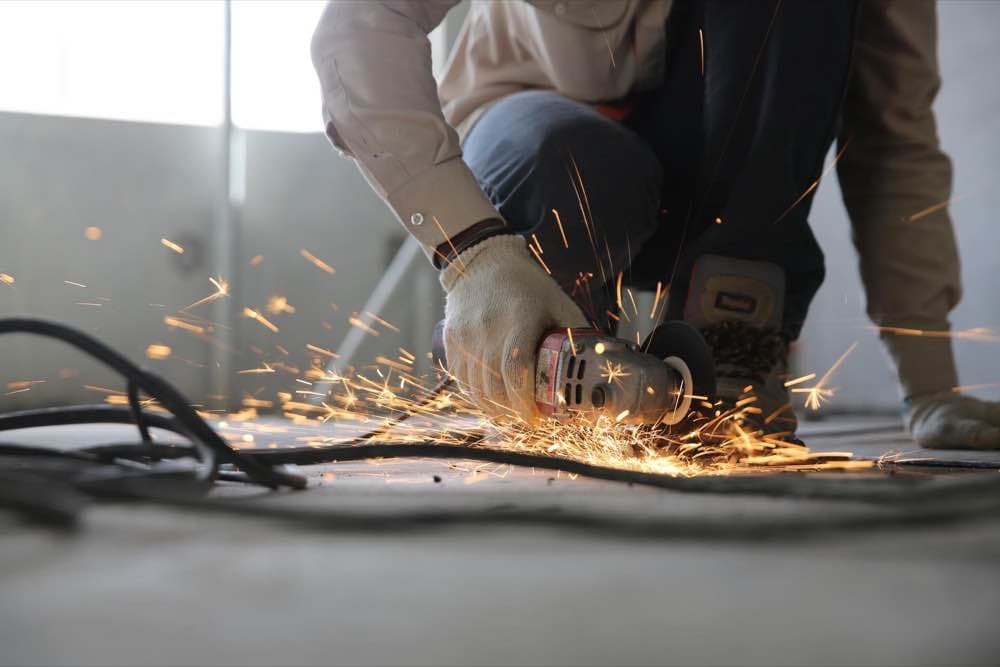
This may sound familiar…
Growing, but still carrying too much.
“You rarely feel completely off.”
01Everything still runs through you
02You're making most of the key decisions
03The business slows down when you step away
04Systems are inconsistent or in your head
05Growth adds pressure, not relief
06Personal finances are still too tied to business cash flow
What we actually do
Say what it is for. Sort the family questions early. Build the flexibility in.
Step 01
Say what it is for
What the business is meant to make possible, in plain terms, for the people it was built for.
Step 02
Sort the family questions early
Which children are in the business and which are not, how fairness is defined when the answer differs, and what happens if nobody wants it.
Step 03
Build the flexibility in
So the business can support the life it was meant to support, rather than consuming it.
Related reading
5 Structural Risks Facing Family-Owned Construction Companies (And How to Close Them)
The five gaps that show up most often in family-owned construction businesses, why each one matters, and who should be involved in closing it.
Read the article
Wealthtender Five-Star Financial Coach
Jason P. Berube, President & Founder
Cornerstone is based in Beverly, Massachusetts and works with construction and trade owners across the North Shore, Greater Boston, and beyond.
Where we workQuestions about this service
The short answers.
What if my kids do not want the business?
That is a common answer and not a bad one. It changes what the business needs to become, because the value then has to be transferable to somebody outside the family.